Museum der bildenden Künste Leipzig
Welcome
This video welcomes all visitors and aims to make your visit to the Museum easier by providing you with useful information. It gives a brief historical background as well as the main focuses of the MdbK collection. We provide information about accessibility, assistive technology and inclusive services. The video is interpreted in German Sign Language (DGS) and has German and English subtitles.
You can find more information about accessibility at the MdbK >> here.
Free admission
To the permanent exhibitions on the first and second floors of the MdbK - this will apply from January 1, 2024 when the new municipal fee schedule comes into force. And for children and young people up to the age of 18, admission to the special exhibitions will also remain free.
So come and visit the MdbK more often in 2026! We look forward to your visit.


Soft Utopian City
The 47-piece installation Soft Utopian City by Leipzig artist Klara Meinhardt is located in the large courtyard and is not only allowed to be touched, but should be touched. All visitors, young and old alike, are free to build their own city using their imagination.

Softie Hills
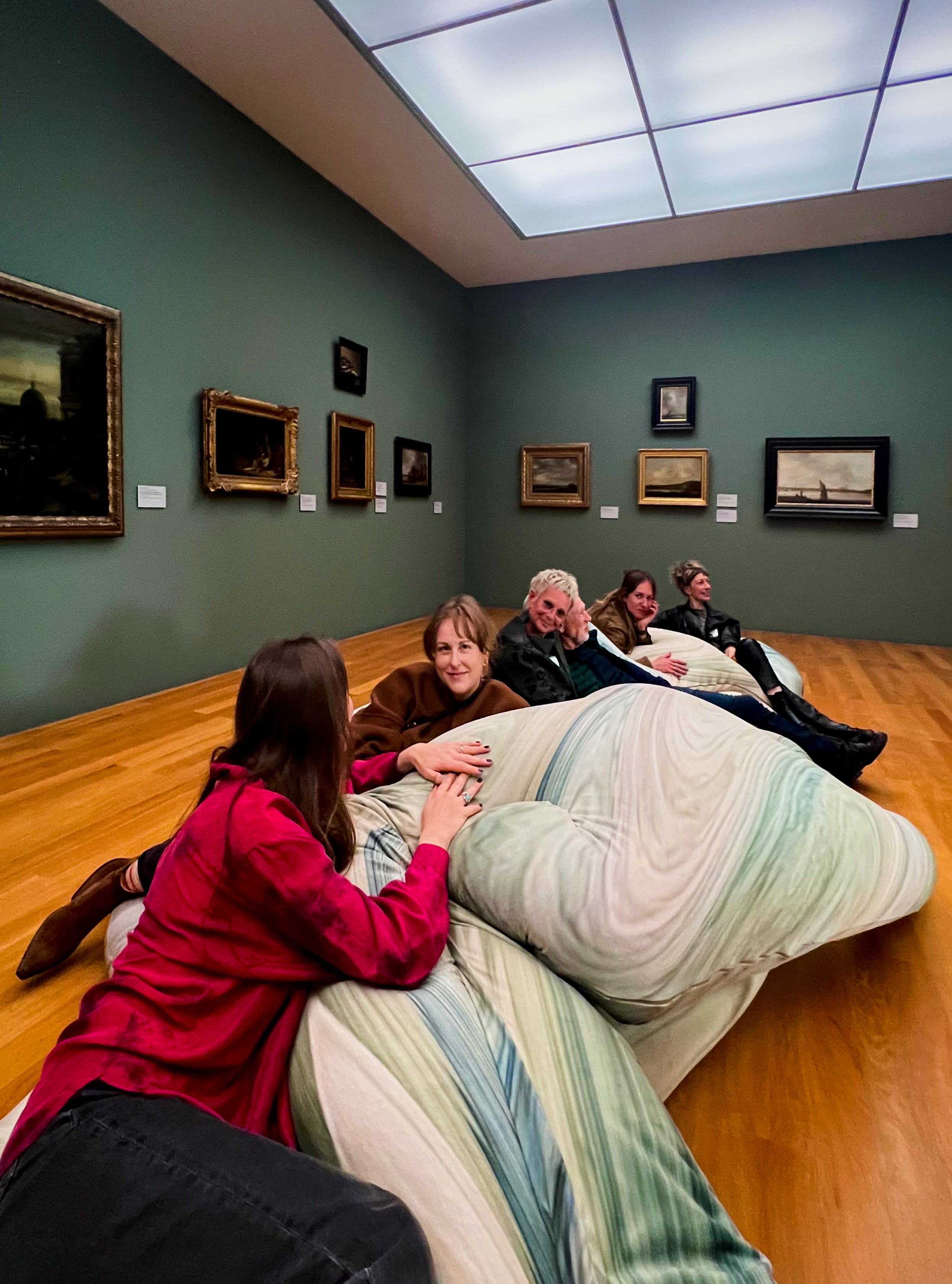
In the permanent exhibition, Alexandra Börner’s (*1987) Softie Hills invite visitors to sit, lie down, and cuddle. They are art objects designed to be touched and to evoke a sense of well-being. Even before we can speak or make eye contact, we perceive ourselves and others through the body, through touch, warmth, and closeness. This physical awareness is embedded in the Softie Hills. The tactile objects enrich the museum’s spaces, appearing as new, soft, otherworldly beings among the other artworks and accompanying our visit. The seating areas are a place to view the art in peace, for conversations, or for a brief break.
MdbK [Pocket Tour]
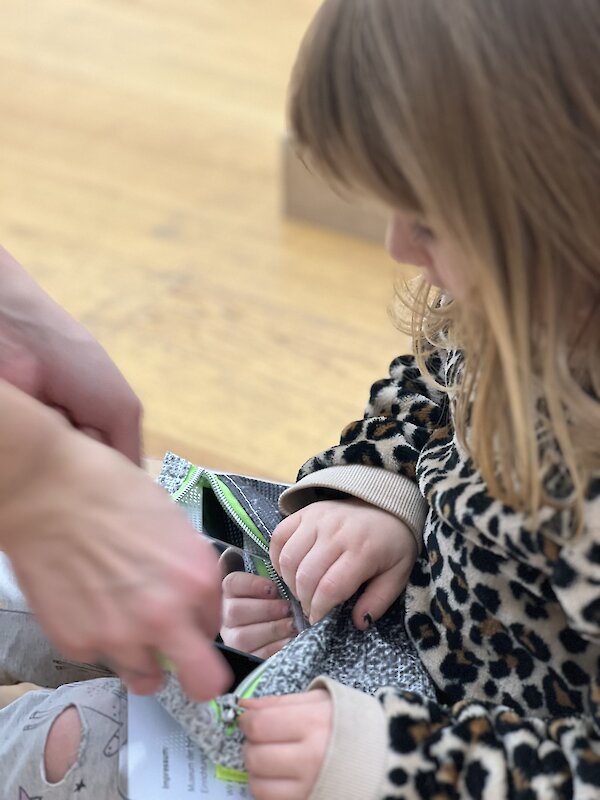
The MdbK [Pocket Tour] was developed for museum visits with children, but can be used by anyone. It consists of a set of A5 cards, a clipboard, a bag with a mirror, a pencil, an hourglass and other objects for creative work. The cards contain questions and tasks about selected works of art at the MdbK, as well as additional information about the artists. The MdbK [Pocket Tour] can be borrowed from the Museum's ticket office and the cards can be taken home.
Open Studio
The Open Studio is the right place for anyone aged 12 and over who wants to draw and design or is simply looking for an exchange with other creative people. It is now open every Thursday from 3.30 pm to 6 pm and can be visited free of charge and without registration on the second floor of the MdbK.

MdbK [hubs]
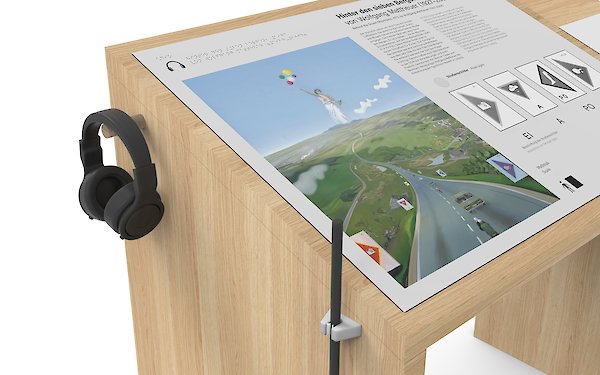
Currently, a total of six inclusive mediation stations for hearing, touching and seeing are installed at the MdbK, offering new access to works in the collection.

The Day After Tomorrow
The MdbK is funded by the Federal Cultural Foundation's “The Day After Tomorrow - New Models for Cultural Institutions” program. Under the project title “What is missing - relationships as a future tool of the museum”, new ways of working will be tested at the MdbK until the end of 2026 and a concept for a community-creating place will be developed. The focus is on participation, art from the GDR and new uses for the museum architecture.

Provenance research
The MdbK sees provenance research as a core task of its museum work and systematically examines its holdings on a project-related basis for cultural property seized as a result of Nazi persecution and for works of art that were expropriated during the Soviet occupation zone and the former GDR.

MdbK [in transit]
From 2019 to 2025, the MdbK was part of the nationwide funding program 360° – Fund for Cultures of the New Urban Society. The designation MdbK [in transit] highlights the processes and outcomes initiated at the MdbK as part of the funding program, including the exhibitions Re-Connect. Art and Conflict in Brotherland (May 18–Sept. 10, 2023), Family Matters (June 19–Sept. 14, 2025), interventions in the collection presentation, as well as numerous events and a survey of non-visitors. Through the in_transit working group, the team continues to work on diversifying staff, programming, and audiences even after the funding program has ended.

Donation
The MdbK has refurnished the event room in the basement. Two wall works by Franziska Holstein, donated to the MdbK by the collector Johann Georg Ültzen, adorn the large long wall.
You can find out more here....

Sternburg Stiftung
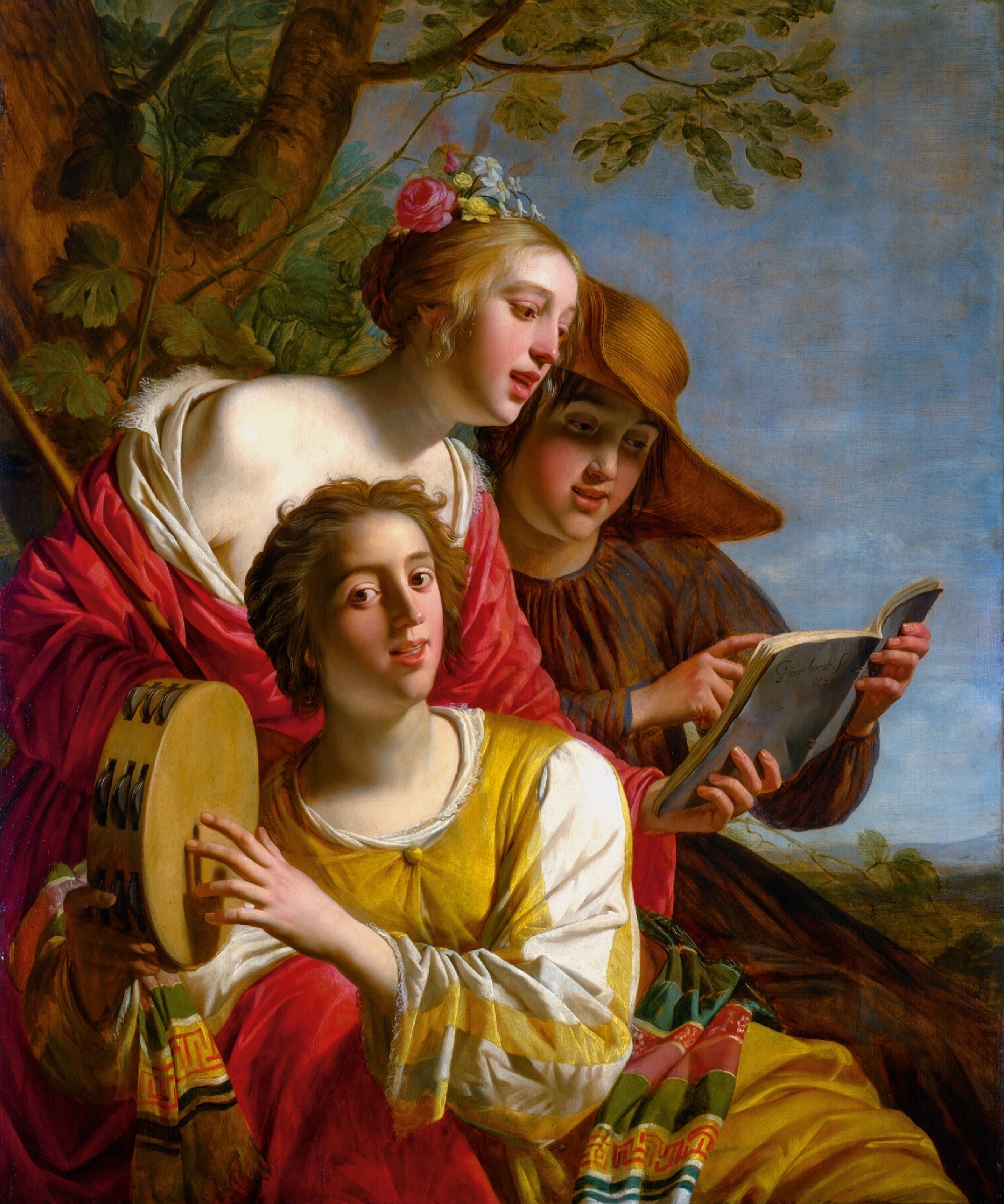
The MdbK preserves the extensive collection of the Leipzig merchant Maximilian Freiherr Speck von Sternburg (1776-1856), which he assembled on his estate in Lützschena near Leipzig. It includes more than 200 paintings, numerous drawings and works of graphic art as well as a library.
Evelyn Richter and Ursula Arnold Archive
The Evelyn Richter and Ursula Arnold Archive is a joint project of the Ostdeutsche Sparkassenstiftung and the Museum der bildenden Künste Leipzig. The works of the photographers are preserved and researched at the MdbK and made public through exhibitions and publications.